Surface Defect Masters-02

The Science Of Color Matching In Hard Surface Repair Tips And Tricks

The Science Of Color Matching In Hard Surface Repair Tips And Tricks

Hey there DIYers! If you’re looking for hard surface repair tips and tricks, then you’ve come to the right place. We’re here to teach you all about the science of color matching when it comes to repairing broken surfaces. You can trust us because we know exactly what works – after all, our team has over 20 years of hands-on experience in this field.

Color matching is one of those tricky yet essential parts of any kind of repair job. Whether your goal is to fix a small crack on a ceramic tile or make a large scratch less noticeable on wood paneling, getting the colors right can be difficult – but not impossible! With just a few simple steps and some basic knowledge, you too can become an expert at restoring your surfaces back to their original condition.

With these hard surface repair tips and tricks in hand, you’ll have the confidence and power you need to tackle even the most challenging repairs with ease. So let’s get started – read on for step-by-step instructions and practical advice that will help make your next project successful!

surface defect masters online hard surface repair course

The Importance Of Color Matching Paint When Repairing Surfaces

When repairing surfaces, color matching paint is key. Achieving a perfect match can be challenging, but necessary if you want your repair job to look flawless. Take my friend as an example – they decided to do some repairs on their kitchen cabinets without getting the exact same shade of yellow paint and now it’s painfully obvious where the new coat was applied. It looks terrible!

If you don’t take proper precautions when selecting paints for surface repairs, you won’t get good results – no matter how hard you try or how talented you are with DIY projects. Color matching requires knowledge and experience in order to make sure all parts of a project blend together seamlessly. You need to understand which colors work together, and have familiarity with different products that will help create the desired effect.

Having the right tools for color matching is essential, so start by familiarizing yourself with the various options available: Pantone systems, fan decks, computer software programs, and visual reference books are just some of them. Once you know what kind of materials suits your needs best, use whatever resources at your disposal to find out more about each product before making any decisions. This way, you’ll be able to save time and money while achieving great results every single time!

Tools Needed For Color Matching

Achieving the perfect color match is like completing a complex jigsaw puzzle; it requires precision and patience. But before you can even begin, you must arm yourself with the right tools to make sure that your repair job looks flawless. The most important tool when it comes to color matching is paint! You’ll need enough paint for two coats on the surface and any additional touch-ups or repairs down the line. To ensure an exact shade of paint, you should also consider investing in a handheld spectrophotometer – this device measures light wavelengths and gives you an accurate readout of exactly what shade of color you’re dealing with. Finally, if possible, try to purchase sample sizes of various shades so that you don’t have to worry about mixing them yourself. With these essential items in tow, we can now move on to identifying and mixing colors correctly – let’s dive in!

Methods For Identifying And Mixing Colors

Did you know that on average, professional painters are able to match a color within the first three attempts? With this in mind, it’s time for us to look at some of the most effective methods for identifying and mixing colors.

First up is using paint swatches from an official manufacturer. While these come with pre-mixed paints ready to go, they can still be useful as a reference when mixing your own colors. By comparing different shades of one color side by side, you’ll get a good idea of the various ratios needed to achieve the desired hue.

Another reliable method would be to use a spectrophotometer. This tool works by analyzing multiple light sources on the subject surface and then calculates what combination of pigments will result in an exact match. It may take some practice getting used to but once mastered, this could prove invaluable for any hard surface repair project!

Finally, there’s always the tried and tested ‘eyeball method’ which involves taking swatches of existing objects (or even photographs) and attempting to recreate their colors through trial and error. While not as accurate as other methods mentioned above, its simplicity makes it great for beginners who don’t have access to more advanced equipment.

These methods should provide enough insight into how best to match colors for your next project; now it’s time to focus on tips for perfectionism!

surface defect masters online hard surface repair course

Tips For Perfectly Matching Colors

When it comes to matching colors in hard surface repair, we all want that perfect result. It’s tricky enough as it is without having to worry about making mistakes! Thankfully with the right tips and tricks, you can create a flawless color match each time. Let me give you my best advice for getting the job done quickly and accurately.

First off, take your time when selecting the materials needed for the project. Making sure everything from paint chips to fabric swatches are properly sourced will help ensure success along the way. Once you have selected them, lay out everything so that they’re easy to compare side by side — this visual representation of potential matches will be invaluable when narrowing down options.

Next up, start testing combinations until one stands out among the rest. Mixing pigments together requires patience and precision; don’t be afraid to experiment with different hues until you find something that looks just right. Also, keep an eye on how much light or darkness affects the shade of each sample; even slight variations can make a big difference when trying to achieve a perfect blend of color.

Finally, test your chosen combination against the original material before committing fully to it. Make sure there isn’t too strong a contrast between them — if necessary use more subtle shades such as pastels or muted tones instead of bright primary colors. With these simple steps, you’ll have no trouble creating a perfectly matched piece every single time! Transitioning into the next section: common mistakes to avoid…

Common Mistakes To Avoid

Avoiding common mistakes is key when it comes to matching colors for a hard surface repair. I’ve been there; sometimes the results can be disastrous if you don’t take the necessary steps! Here’s what not to do, so that you get desired results:

First and foremost, don’t just eyeball your color match. It may seem like an easy shortcut but this route could lead to a mismatch later down the road. Instead, invest in quality paint chips or swatches from a reputable supplier. Doing so will help ensure accuracy when making selections.

Another no-no? Don’t forget to factor in lighting conditions when selecting your hues. Different lights have different effects on colors and they can vary based on the time of day or even seasonally! Light affects how our eyes perceive color, so keep this important detail top of mind as you make your selections.

And finally, don’t be tempted to buy cheaper products – oftentimes these are low quality and won’t give you the best results. Invest in premium supplies instead; they’ll last longer and provide better coverage with fewer coats needed overall.

With proper research and preparation, you can avoid costly missteps while ensuring great outcomes each time. Get ready to step up your game and master color-matching science – because practice makes perfect!

Got More Questions? Check out the FAQ

As a hard surface repair expert, I’m sure you’ve heard of the science of color matching. It’s an essential part of getting your repairs to look natural and seamless, no matter what material you’re working with. But it can be tricky! With all the different colors, textures, and finishes out there, it can seem like an overwhelming task. That’s why I’m here to provide some tips and tricks for successful color matching in hard surface repair projects.

First off, let’s talk about preparation: always make sure that whatever area you’re repairing is clean and free from dust or debris before starting work on it. This will ensure proper adhesion of any materials used during the repair process. You’ll also want to make sure that both surfaces are level so they match up properly when put together again. Once everything is prepped correctly, then you’ll be ready to start selecting colors.

When choosing paint colors for your project, pay attention to how light reflects off each one differently – this will help give you an idea of how closely matched the colors need to be as well as which ones might fit best. Also consider any existing patterns or decorations around the repaired area; if these details don’t match exactly either, try using subtle tones instead for a more cohesive effect overall. Finally, take into account other factors such as lighting conditions and time of day – these can affect how hues appear and could potentially alter your decisions when picking shades.

By taking all these things into consideration beforehand, you should have no trouble finding paints that perfectly blend with their surroundings – making every hard surface repair job look professional without fail!

surface defect masters online hard surface repair course

What Is The Best Way To Match A Color When Painting Walls?

When it comes to matching colors for painting walls, there is nothing more daunting than the thought of getting the perfect blend. It can be an absolute nightmare! But fear no more – with a few tips and tricks up your sleeve, you’ll have that wall looking just right in no time. Here are three foolproof methods to get you on track:

First off – swatches. Swatch cards or paint chips from hardware stores provide excellent colour references when trying to match colours. You don’t need to buy anything though – simply collect swatches wherever you see them! Whether its magazines or flyers, they all contain samples of countless shades that could be used as reference points when attempting to replicate a desired color.

The second way involves using complementary colors. By combining two contrasting colors next to each other (e.g., yellow and purple), you create an effect that provides depth and saturation to any space. This method works especially well if one is attempting to make a certain area stand out from the rest of the room’s palette.

Finally, mix-matching! Mix-matching essentially means taking small parts of different colors, like tints and shades, and blending them together until they form something close enough to the original hue being sought after. The great thing about this technique is that it allows endless experimentation without having to commit too much effort into every attempt at finding the exact shade wanted!

So whether you’re going for subtlety or flashy contrast, these techniques will give you the confidence needed for achieving perfectly matched colors every single time! From gathering swatches en masse to concocting custom hues through mix-matching, this science of colour matching has never been easier nor more delightful than it is now – so go forth with gusto and get creative!

Is It Possible To Mix Old And New Paint To Match A Color?

Mixing old and new paint to match a color? You may be wondering if it’s possible. Juxtaposing the two can sound like a daunting task, but with the right tips and tricks from the science of color-matching in hard surface repair, you’ll be able to do so relatively easily.

First off, you need to gather all your supplies – including the old and new paints – before you begin. Make sure that both cans are labeled clearly; this will make it easier for you to mix them together accurately. Then, use a stir stick or brush to combine small amounts of each paint until they form an even consistency. This is key when attempting to get close to the exact shade of color desired.

The next step is testing out how well the colors match up against one another by swatching them on a piece of paper or cardboard. If there is still some discrepancy between shades after combining them, then try adding more of either the original or new paint until the hues are balanced properly. Once you’ve achieved a satisfactory result, move on to painting your wall!

But don’t forget about proper prep work first: clean any dust and dirt from the surface area beforehand and cover up furniture with drop cloths as needed. It may take several layers of coats until everything looks uniform, so give yourself plenty of time for drying periods in between applications. With patience and care, achieving a perfect color-match should be achievable for anyone who puts their mind to it!

How Do I Know When I Have The Right Color Match?

When it comes to matching colors, getting the perfect match can feel like a real challenge. I know that feeling all too well! It’s easy for us to feel overwhelmed and uncertain about how to do things right – especially when we’re dealing with hard surfaces. But don’t worry; there are plenty of tips and tricks you can use to get an accurate color match every time.

One way to ensure your color matches is by using something called ‘color substitution’ – this means finding the closest possible shade in a new paint range or brand and mixing it with some of the old paint in order to achieve a similar hue. This method works best if you already have an idea of what color you want the end result to be.  Back to our main question: How do I know when I have the right color match? The answer lies in testing out small amounts of paint on different areas before committing fully! Applying samples on different parts of the surface will help give you an idea of whether there is any difference between them, so make sure you check multiple spots before deciding which one looks more natural.

While achieving an exact duplicate may not always be possible, taking these steps will undoubtedly put you closer towards getting a close enough version that will look great on whatever surface you’re working on. With practice and patience, anyone can become a master at color matching – so take your time, explore all of your options, and never settle until you find that perfect tone.

Here are five reference websites for some great info on color matching:

  1. ColorMatters – https://colormatters.com/
  2. The Spruce – https://www.thespruce.com/
  3. This Old House – https://www.thisoldhouse.com/
  4. Popular Mechanics – https://www.popularmechanics.com/
  5. Bob Vila – https://www.bobvila.com/These websites offer a wealth of information on color theory, interior design, home repair, and DIY projects. They can provide additional insights and tips for achieving a flawless color match in hard surface repair.

Conclusion

The art of color matching can be compared to a puzzle. To achieve perfection in repair work, it’s essential you have all the right pieces and know how to put them together. If done correctly, your hard surface repairs will look just like new!

To get started on this difficult task, make sure you have the right tools and materials for the job. Identifying and mixing colors is an important part of the process – take your time with these steps so that you don’t end up making any costly mistakes down the line. Finally, remember to focus on every detail when color-matching paint; even small variations can mean big differences in the finished product. With patience and practice, I’m confident you’ll be able to master this skill in no time!

Wrapping Up

Thank you for visiting SurfaceDefectMasters.info and taking the time to read our article on color matching in hard surface repairs. We hope you found our expert tips and tricks helpful in achieving flawless results on your next repair project. Please don’t hesitate to bookmark our blog and share this post with your friends and family who might benefit from this information.

If you’re interested in taking your hard surface repair skills to the next level and learning how to become an expert hard surface repair technician, we invite you to check out our brand new online course at SurfaceDefectMasters.com. In this comprehensive course, we teach beginners everything they need to know about hard surface cosmetic repair, including color matching, so they can start earning upwards of $100 per hour as a skilled technician. Thank you again for reading, and we hope to see you in our course soon!

The Top 10 Surfaces Repaired By A Surface Defect Master

The Top 10 Surfaces Repaired By A Surface Defect Master

When it comes to hard surfaces, wear and tear are unavoidable. From scratches to chips, dents to cracks, surfaces take a beating over time. However, with the right knowledge and expertise, it’s possible to repair almost any hard surface, restoring it to its former glory. In this post, we’ll explore the top 10 surfaces that can be repaired by all students after completing our SurfaceDefectMasters online course. By the end of this article, you’ll have a better understanding of the most common surfaces that require repair and how to get started in the field.

uPVC: The Most Common Surface for Hard Surface Repair Experts

uPVC is one of the most common surfaces that hard surface repair experts come across. It’s a popular material for windows, doors, and other household items. uPVC can become damaged over time due to exposure to the elements, impact, or wear and tear. Common repairs for uPVC include scratches, dents, and chips. Surface defect masters use specialized techniques to restore uPVC surfaces to their original condition, leaving them looking as good as new.

Ceramics: Technical Repairs for a Common Surface

Ceramics are another common surface that can be challenging to repair. Unlike other materials, ceramics require specialized knowledge and techniques to repair. Chips, cracks, and scratches are the most common issues that surface defect masters face when repairing ceramics. However, with the right tools and expertise, it’s possible to repair even the most intricate of ceramic designs.

Real Wood: Refurbishing and Restoring its Natural Beauty Real wood surfaces are highly prized for their natural beauty and durability. However, over time, real wood can become damaged due to exposure to moisture, heat, and other factors. Surface defect masters specialize in restoring the natural beauty of real wood surfaces, from scratches to deep gouges. Whether it’s a door, window frame, or piece of furniture, a surface defect master can restore the wood to its former glory.

The Top 10 Surfaces Repaired By A Surface Defect MasterLaminates: Affordable and Versatile Surface Repairs

Laminates are a popular choice for countertops, cabinets, and other household surfaces. They are affordable, easy to clean, and come in a wide range of designs. However, like any other surface, they can become damaged over time. Surface defect masters use specialized techniques to repair chips, scratches, and dents in laminates, leaving them looking as good as new.

Precast Stone: A Niche Surface Requiring Expert Knowledge
Precast stone is a unique surface that requires expert knowledge to repair. It’s often used in architectural features such as columns, arches, and cornices. Surface defect masters use specialized techniques to repair chips, cracks, and other damage to precast stone surfaces. With the right tools and expertise, surface defect masters can restore precast stone to its original condition.

Composites: Commonly Used in External Doors for Homes

Composites are a popular choice for external doors for homes. They are durable, weather-resistant, and come in a wide range of designs. However, they can become damaged over time due to exposure to the elements. Surface defect masters use specialized techniques to repair chips, scratches, and other damage to composite surfaces, leaving them looking as good as new.

Metals: Restoring Metal Surfaces to their Former Glory

Metal surfaces, such as aluminum, can become damaged due to exposure to the elements or impact. Surface defect masters specialize in restoring metal surfaces to their former glory, from small scratches to large dents. With the right tools and expertise, surface defect masters can restore metal surfaces to their original condition.

GRP Fibreglass: Repairs for External Canopies and Doors

GRP Fibreglass is a common material used in external canopies and doors. Over time, exposure to the elements can cause damage, including chips, cracks, and scratches. Surface defect masters use specialized techniques to repair GRP fibreglass surfaces, restoring them to their original condition. This is particularly important for external features such as canopies and doors, as they play a crucial role in protecting a property from the elements.

Granite and Marble: Repairing Countertops and Fireplace Hearths
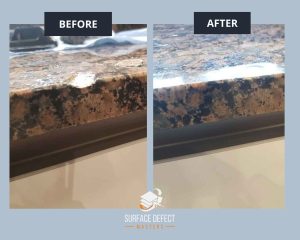
Granite and marble are popular choices for countertops, fireplace hearths, and other household surfaces. However, these surfaces can become damaged over time due to impact or wear and tear. Surface defect masters specialize in repairing granite and marble surfaces, from small scratches to deep gouges. With the right tools and expertise, it’s possible to restore granite and marble surfaces to their former glory.

Compressed Laminates: Hard Wearing Countertops and other Worksurfaces

Compressed laminates are a type of laminate that is particularly hard-wearing and durable. They are often used for countertops, vanity units, and other high-traffic areas. However, even compressed laminates can become damaged over time. Surface defect masters specialize in repairing chips, scratches, and other damage to compressed laminates, leaving them looking as good as new.

Expert Repairs: Learn to Repair All Hard Surfaces at Surfacedefectmasters.com

If you’re interested in becoming a surface defect master, there’s no better place to start than surfacedefectmasters.com. This online course provides everything you need to know to get started in the field of hard surface repair. From uPVC to ceramics, metals to granite, this course covers all the surfaces you need to know to become an expert in the field.

Conclusion:

In conclusion, hard surface repair is a vital skill that requires specialized knowledge and expertise. From uPVC to ceramics, real wood to compressed laminates, there is a wide range of surfaces that can be repaired by a surface defect master. With the right tools and techniques, it’s possible to restore even the most damaged surfaces to their former glory. If you’re interested in becoming a surface defect master, surfacedefectmasters.com provides an easy and affordable way to get started in the field.

Wrapping Up

Thank you for reading this post on the top 10 surfaces repaired by a surface defect master. We hope you found it informative and helpful. If you’re interested in learning more about hard surface repair, be sure to visit surfacedefectmasters.com. Our online course covers all the surfaces you need to know to become an expert in the field. We also invite you to share and bookmark our site, so you can stay up-to-date with the latest trends and techniques in hard surface repair. Thank you for visiting surfacedefectmasters.info, and we look forward to seeing you again soon.


The Secrets To Becoming A Successful Hard Surface Repair Expert

The Secrets To Becoming A Successful Hard Surface Repair Expert

Are you an aspiring hard surface repair expert who is looking to make a career out of repairing chips, dents, scratches to surfaces such as countertops, floors, tiles, plastics, and other many other surfaces? Becoming an expert takes dedication, skill, and knowledge. In this article, we will reveal the secrets to becoming a successful hard surface repair expert so that you can reach your goals with confidence!

Do you have what it takes to become a proficient hard surface repair technician? It’s not as difficult as it may seem – if you’re willing to put in the time and effort needed for success. With the right combination of training, experience, and industry know-how, anyone can become a certified professional. We’ll show you how to hone your skills and gain the expertise required to stand out from your peers.

Finally, we’ll discuss the importance of staying up-to-date on best practices in order to remain competitive in today’s market. You want customers to trust that they are getting quality workmanship when they hire you – and by following our advice, you won’t disappoint them! So let’s get started revealing the secrets behind becoming a successful hard surface repair expert!

What Is Hard Surface Repairs

Hard surface repairs are the art of restoring surfaces back to their original form. They require a great deal of skill and precision, as even small errors can lead to costly mistakes that could ruin the surface you are working on. From tile repair to chipped countertops, there’s no limit to what can be done when it comes to hard surface repairs. It also requires knowledge of various materials, from ceramic tiles and stone counters to wood floors, and plastic surfaces such as baths, shower trays, doors, and window frames. All these pieces come

Example of a plastic window frame repair

together for one purpose: making sure the repaired area looks exactly like its surroundings before any damage occurred.

At the same time, hard surface repairs demand attention to detail; every step must be taken with care and finesse. The slightest misstep could result in an uneven patch job that would stick out among other smooth surfaces – a dead giveaway of previous damage! It is thus essential for successful repair work that each individual task is completed flawlessly – right down to matching colors and textures.

Having said all this, becoming a master at hard surface repairs requires more than just technical know-how; it demands dedication, focus, and patience too. With enough practice, however, anyone can become an expert in this field provided they have the right tools, resources, and determination at their disposal.

Gathering The Necessary Tools And Materials

The tools and materials for hard surface repairs are like a painter’s canvas – the building blocks of success. They can be the difference between an expert repair job or a shoddy one, so it’s essential to know what you need before starting out. From sandpaper to fillers,  cutting tools to job-specific paints and everything in between – gathering all the right items can feel overwhelming at first. But with time and patience, they become as familiar as old friends.

Symbolically speaking, these tools act as a key that unlocks our potential; allowing us to create something beautiful in its place. Even if we don’t have access to everything on the list straight away, making sure we have all the basics is important too. We’ll also want to think ahead about any specialized equipment we might need later down the line. Assembling this collection can take effort but having them ready will ensure we’re prepared when faced with unexpected challenges along our journey.

It’s not just about having the right gear though; knowing how best to use each item is equally important. When combined together correctly, these pieces form a larger picture – one that will help us bring out our inner master craftsman!

Learning The Techniques Of Hard Surface Repairs

Learning the techniques of hard surface repairs is a critical part of mastering the trade. The process requires patience and precision, and should not be taken lightly. Here are 4 tips to help get you started:

1) Observe how experts perform the repair before attempting it yourself – this will provide valuable insight into any nuances or complexities associated with the task.

2) Practice on scrap pieces of material so that you can become comfortable with the tools and techniques involved in successful repairs.

3) Take detailed notes throughout your practice sessions so that you can refer back to them when tackling more challenging tasks.

4) Ask questions and seek advice from experienced professionals whenever possible; they may have helpful information about specific materials or methods used for certain types of repairs.

By taking these steps, anyone willing to put in the time and effort has an opportunity to master hard surface repairs. As you continue developing your skillset, understanding different types of hard surfaces becomes increasingly important for achieving success in this field.

You can learn all the steps to mastering Hard Surface Repairs by taking our online course Surface Defect Masters. This is an all-in-one course designed to take the beginner by hand and show them how to repair almost any hard surface. This is a fully inclusive over-the-shoulder course where both myself (Martin) and Greg repair damage to all the common surfaces you will encounter as a hard Surface Repair expert. We show you the methods, the tricks, and most importantly the tools and products required for each job and where to buy them.  There is no other course like this on the market. You can check it out HERE.

Understanding Different Types Of Hard Surfaces

Surprisingly, there are over 200 different types of hard surfaces that require repair. From marble and granite to ceramic tile, real woods, laminates, all plastics, and all composites. Understanding the properties of each type of surface is key in order to ensuring a successful hard surface repair job. Not only should you be familiar with what kind of tools will work best for certain materials but also how they’ll interact with those materials.

It’s important to do your research when it comes to learning about different hard surfaces – not all surfaces may react the same way when applying fillers or paints. If you want quality results, be sure to use products specifically designed for particular jobs. For example, if you’re looking to fill cracks in concrete countertops then using an epoxy-based product would yield better results than a general-purpose filler.

Taking the time to understand the unique characteristics of each type of material can help prevent costly errors down the road. No two repairs are alike; having knowledge in this area could end up being invaluable when addressing more complex issues such as repairing a crack in a granite countertop or repairing a chipped shower tray.

Having a comprehensive understanding of hard surfaces is essential for any aspiring specialist in this field, so make sure you take the time to educate yourself properly before diving into any project! By taking these steps, you’ll be well on your way to adopting the right mindset needed for success in this industry.

surface defect masters online hard surface repair course

Adopting The Right Mindset To Succeed

Gaining success as a hard surface repair expert can seem like an insurmountable goal, but with the right mindset it’s achievable. It all begins with cultivating a positive attitude and having confidence in your abilities. Developing this kind of approach requires dedication to honing your craft and understanding that no matter what obstacles you face there are always solutions somewhere nearby.

Example of a ceramic sink repair

Fostering resilience is also key when pursuing excellence in this field – one must be able to take setbacks in stride while not allowing them to define their journey towards success. Achieving mastery over hard surfaces takes time, energy and practice so it’s important to stay motivated even during difficult times. Additionally, don’t hesitate to ask for help or advice from experienced professionals if needed; no-one ever made progress alone!

It’s essential to have patience throughout the process and recognize that becoming an accomplished repair specialist does not happen overnight. With determination and perseverance, however, you’ll find yourself reaping the rewards of long hours spent studying techniques and learning about different materials before you know it!

Q&A: Becoming a Hard Surface Cosmetic Repair Expert

  • Q: What is hard surface cosmetic repair, and what are the benefits of pursuing it as a career?
    A: Hard surface cosmetic repair involves repairing damage to various surfaces, such as chips, cracks, and scratches. The benefits of pursuing it as a career include high demand, flexible work, and the ability to make a significant income.
  • Q: What skills do I need to become a hard surface cosmetic repair expert?
    A: Some skills that are necessary to become a successful hard surface cosmetic repair expert include attention to detail, problem-solving skills, and manual dexterity. It’s also important to have knowledge of the materials you’ll be working with, such as ceramics, plastics, precast stonework, and laminates.
  • Q: How long does it take to become a hard surface cosmetic repair expert?
    A: With the right training and resources, you can become a skilled hard surface cosmetic repair expert in as little as three months.
  • Q: How can I find the best training program for hard surface cosmetic repair?
    A: Look for programs that offer comprehensive training, hands-on experience, and certification upon completion. Also, consider programs that offer flexibility, such as online training.
  • Q: How much can I expect to make as a hard surface cosmetic repair expert?
    A: As a hard surface cosmetic repair expert, you can expect to make upwards of $100 per hour, depending on your experience and the type of services you offer.
  • Q: Is hard surface cosmetic repair a competitive field?
    A: Hard surface cosmetic repair is a growing industry with high demand and a shortage of qualified professionals. While there may be competition in some areas, it is not considered a highly competitive field overall.
  • Q: How flexible is a career in hard surface cosmetic repair?
    A: A career in hard surface cosmetic repair is highly flexible, with the ability to work part-time or full-time, and even start your own business. The work can also be done on-site or remotely, depending on the needs of your clients.
  • Q: How can I make a difference as a hard surface cosmetic repair expert?
    A: Hard surface cosmetic repair is a highly satisfying career choice, as you have the ability to transform and restore damaged surfaces to their original condition. It’s a rewarding feeling to help clients save money by repairing their surfaces rather than having to replace them.
  • Q: How can SurfaceDefectMasters.com help me become a hard surface cosmetic repair expert?
    A: SurfaceDefectMasters.com offers a comprehensive online training program that covers all the necessary skills and knowledge to become a skilled hard surface cosmetic repair expert. With our program, you can complete your training in as little as three months and start your journey toward a successful and rewarding career.
  • Q: Do I need any previous experience or qualifications to start learning hard surface cosmetic repair?
    A: No, you don’t need any previous experience or qualifications to start learning hard surface cosmetic repair. Our course is designed to teach you everything you need to know, from the fundamentals to advanced techniques.
  • Q: How long does it take to complete the SurfaceDefectMasters.com course?
    A: Our course is designed to be completed in just three months, with regular practice and study. However, you can take your time and go at your own pace, with no deadlines or pressure.
  • Q: What materials and surfaces can I learn to repair through the SurfaceDefectMasters.com course? A: Our course covers a wide range of materials and surfaces, including ceramics, plastics, precast stonework, wood, laminates, counter tops, and more. You’ll learn the skills to repair chips, cracks, dents, scratches, and other types of damage.
  • Q: Will I receive any certification upon completing the course?
    A: Yes, upon completing the course, you’ll receive a certification from SurfaceDefectMasters.com, which can be a valuable addition to your resume and a sign of your expertise in hard surface cosmetic repair.
  • Q: Can I start my own hard surface cosmetic repair business after completing the course?
    A: Yes, many of our students have gone on to start their own successful businesses after completing our course. We’ll teach you everything you need to know to get started and build a thriving career in this industry.
  • Q: How much can I expect to make as a hard surface cosmetic repair expert?
    A: The earning potential for a hard surface cosmetic repair expert can be significant, with many professionals making upwards of $100 per hour. By offering a high-quality service in your local area, you can quickly build a strong client base and achieve financial success.

surface defect masters online hard surface repair course

What Is The Most Cost-effective Way To Complete Hard Surface Repairs?

Are you ready to become a successful hard surface repair expert? If so, the key is finding the most cost-effective way of doing it! It’s no secret that this can be tricky, but with some smart know-how and planning you’ll soon master the skill.

The first step to saving money on repairs is always using high-quality products. This might seem counterintuitive when trying to save cash, but good quality products will achieve a long-lasting and more professional-looking repair So while they may cost more upfront, you’re actually saving in the long run since there won’t be as many callbacks from irate customers who are complaining the product used on the repair has failed exposing the damaged surface again.

Trust me when I say this. When you are running your own hard Surface Repair business, the last thing you want is to be dealing with client callbacks to redo a repair that has failed. Use the correct product, do the job right in the first place and callbacks will be a very rare occurrence.

It pays to shop around too; research various suppliers and compare prices before committing to anything. That extra bit of effort could mean big savings for your project budget!

Another personal plug coming up here:   Our Surface Defect Masters course takes care of all the headaches regarding sourcing the tools and products. You get a full list of where to source everything you need to start up your very own hard Surface Repair business once you sign up for the course. surfacedefectmasters.com is where you will find all the info on how to get started.

So whether it’s sourcing materials at an unbeatable price or completing jobs yourself rather than paying professionals – these tips should help ensure successful (and affordable!) hard surface repairs every single time.

How Long Does It Usually Take To Repair A Hard Surface?

Learning the ropes when it comes to hard surface repairs can be difficult, but with some persistence and dedication, you’ll soon become an expert. But one of the most important questions for any aspiring repairman is “how long does it usually take to repair a hard surface?”. To put it in perspective: if you’re going at this full steam ahead, expect your progress to be slow and steady.

When it comes to completing repairs within a timely fashion, here are five tips that will get you there faster:

  • Make sure you have all the right tools on hand before embarking on your project;
  • Have a plan in place so that everything runs smoothly without any hiccups;
  • Take the time to read up on best practices and techniques;
  • Don’t rush through the job – slow and steady wins every time..
  • Ask experienced pros for advice where needed.

With these simple steps in mind, anyone can increase their efficiency when tackling those pesky hard-surface repairs. It’s all about having patience, and prep. Prepping is about 80% of the job. Take your time masking up, gathering tools and products, have a clean and uncluttered workspace, and have the correct procedures memorized or at least have some tutorial notes or videos with you you can use if you get stuck on any particular step in the repair process.

What Safety Measures Should Be Taken When Performing Hard Surface Repairs?

surface defect masters - hard surface repair courseWhen undertaking hard surface repairs, safety should always be a priority. It is essential to take the necessary precautions to protect yourself and anyone nearby from potential harm. This means wearing protective gear such as gloves, goggles, and a face mask; making sure all tools are in good working order; ensuring that all electrical connections are secure; and keeping the work area clean and well-ventilated. Additionally, it’s important to stay aware of your surroundings at all times – even minor distractions can have dangerous consequences when dealing with hazardous materials or sharp objects.

It may also be helpful to ask for advice from more experienced professionals if you ever feel overwhelmed by complex repair tasks. Doing so will help ensure that every job is completed safely and efficiently. Ultimately, taking the right measures while performing hard surface repairs is key to becoming a successful expert in this field.

Conclusion

It takes hard work and dedication to become a successful hard surface repair expert. As you gain experience, your skills will improve and so will the quality of your repairs. With practice comes confidence and eventually, success!

I’ve seen it happen time and again with my own eyes – when one commits themselves to become an expert in hard surface repairs, they can achieve great things. Just remember that no matter how difficult something seems or how daunting the task might be, if you stay focused on working smarter rather than harder, anything is possible.

surface defect masters online hard surface repair course

The Future of the Hard Surface Repair Industry: A Lucrative Career Path

The Future of the Hard Surface Repair Industry A Lucrative Career Path

As our world continues to advance technologically, so too does the hard surface repair industry. With an ever-growing demand for skilled professionals who can repair and restore damaged surfaces, the future of this industry looks bright. In this post, we’ll explore the latest technological advancements, the top skills needed for success, the demographics of hard surface repair experts, the impact of sustainability on the industry, and how to stay ahead in this competitive field. We’ll also highlight the easiest and cheapest way to become a hard surface repair expert through our online course at SurfaceDefectMasters.com.

Technological Advancements in Hard Surface Repair: What the Future Holds

The hard surface repair industry is constantly evolving, and the latest technological advancements are paving the way for new and more efficient repair methods. For instance, 3D printing technology is now being used to create molds and replicate damaged surfaces, making repairs quicker and more precise. Additionally, digital scanning and imaging technology is being used to create more accurate measurements, which can be translated into detailed repair plans.

Top Skills Needed for Success in the Hard Surface Repair Industry

surface defect masters - hard surface repair courseWhile technological advancements are critical for the future of the industry, there are still some skills that are essential for success. Hard surface repair experts need to have a keen eye for detail,  and a willingness to learn new techniques and methods. Additionally, strong communication skills are essential, as experts will need to communicate with clients and team members to ensure that repairs are completed to their satisfaction.

Demographics of Hard Surface Repair Experts: Who is Dominating the Industry?

The hard surface repair industry is made up of a diverse group of professionals, from experienced craftsmen to newer, younger experts. However, there is a growing trend toward younger professionals entering the field, as the demand for hard surface repair continues to increase. Many of these younger professionals are using their technological skills and knowledge to develop new and innovative repair methods.

The Impact of Sustainability on the Future of Hard Surface Repair

Sustainability is an important consideration in the hard surface repair industry, as more and more consumers are looking for eco-friendly and sustainable repair solutions. This is leading to the development of new, eco-friendly materials and methods, such as using recycled materials in repair work. Additionally, repair professionals are increasingly using non-toxic and low-emission materials to minimize their environmental impact.

How to Stay Ahead in the Competitive Hard Surface Repair Industry

As the demand for hard surface repair continues to grow, so too does the competition within the industry. To stay ahead, professionals need to be constantly learning and adapting to new technologies and techniques. They also need to be proactive in marketing their services and building strong relationships with clients. Joining professional associations and attending industry events are great ways to stay up to date with the latest trends and best practices.

Why taking our surface defect masters online course is the best and fastest way to become a hard surface cosmetic repair expert

At SurfaceDefectMasters.com, we offer an online course that provides students with the skills and knowledge needed to become successful hard surface repair experts. Our course is designed to be completed in just three months, so students can quickly begin building a career in this lucrative industry. With our course, students will learn the fundamentals of hard surface repair, as well as the latest technologies and techniques. Plus, our course is the most affordable and convenient option available.

Dominate your local area by offering a one-of-a-kind service and make upwards of 100 bucks per hour

As a hard surface repair expert, you’ll have the opportunity to provide a unique and valuable service in your local area. By offering high-quality repairs and building strong relationships with clients, you can quickly establish a successful business. Plus, with the high demand for these services, you can rest assured that there will always be a need for skilled professionals in this field.

In addition to the potential for job security and financial stability, hard surface repair also offers the opportunity to make a real difference in people’s lives. From repairing a cherished heirloom to restoring the beauty of a damaged countertop, hard surface repair experts have the ability to transform and improve the look and functionality of a wide range of items.

And with the continued advancement of technology and increasing demand for sustainable solutions, the hard surface repair industry is only expected to grow in the coming years. By staying up-to-date on the latest trends and techniques, professionals in this field can continue to provide valuable services to their clients and build successful, thriving businesses.

Q&A: Becoming a Hard Surface Cosmetic Repair Expert

  • Q: What is hard surface cosmetic repair, and what are the benefits of pursuing it as a career?
    A: Hard surface cosmetic repair involves repairing damage to various surfaces, such as chips, cracks, and scratches. The benefits of pursuing it as a career include high demand, flexible work, and the ability to make a significant income.
  • Q: What skills do I need to become a hard surface cosmetic repair expert?
    A: Some skills that are necessary to become a successful hard surface cosmetic repair expert include attention to detail, problem-solving skills, and manual dexterity. It’s also important to have knowledge of the materials you’ll be working with, such as ceramics, plastics, precast stonework, and laminates.
  • Q: How long does it take to become a hard surface cosmetic repair expert?
    A: With the right training and resources, you can become a skilled hard surface cosmetic repair expert in as little as three months.
  • Q: How can I find the best training program for hard surface cosmetic repair?
    A: Look for programs that offer comprehensive training, hands-on experience, and certification upon completion. Also, consider programs that offer flexibility, such as online training.
  • Q: How much can I expect to make as a hard surface cosmetic repair expert?
    A: As a hard surface cosmetic repair expert, you can expect to make upwards of $100 per hour, depending on your experience and the type of services you offer.
  • Q: Is hard surface cosmetic repair a competitive field?
    A: Hard surface cosmetic repair is a growing industry with high demand and a shortage of qualified professionals. While there may be competition in some areas, it is not considered a highly competitive field overall.
  • Q: How flexible is a career in hard surface cosmetic repair?
    A: A career in hard surface cosmetic repair is highly flexible, with the ability to work part-time or full-time, and even start your own business. The work can also be done on-site or remotely, depending on the needs of your clients.
  • Q: How can I make a difference as a hard surface cosmetic repair expert?
    A: Hard surface cosmetic repair is a highly satisfying career choice, as you have the ability to transform and restore damaged surfaces to their original condition. It’s a rewarding feeling to help clients save money by repairing their surfaces rather than having to replace them.
  • Q: How can SurfaceDefectMasters.com help me become a hard surface cosmetic repair expert?
    A: SurfaceDefectMasters.com offers a comprehensive online training program that covers all the necessary skills and knowledge to become a skilled hard surface cosmetic repair expert. With our program, you can complete your training in as little as three months and start your journey toward a successful and rewarding career.
  • Q: Do I need any previous experience or qualifications to start learning hard surface cosmetic repair?
    A: No, you don’t need any previous experience or qualifications to start learning hard surface cosmetic repair. Our course is designed to teach you everything you need to know, from the fundamentals to advanced techniques.
  • Q: How long does it take to complete the SurfaceDefectMasters.com course?
    A: Our course is designed to be completed in just three months, with regular practice and study. However, you can take your time and go at your own pace, with no deadlines or pressure.
  • Q: What materials and surfaces can I learn to repair through the SurfaceDefectMasters.com course? A: Our course covers a wide range of materials and surfaces, including ceramics, plastics, precast stonework, wood, laminates, counter tops, and more. You’ll learn the skills to repair chips, cracks, dents, scratches, and other types of damage.
  • Q: Will I receive any certification upon completing the course?
    A: Yes, upon completing the course, you’ll receive a certification from SurfaceDefectMasters.com, which can be a valuable addition to your resume and a sign of your expertise in hard surface cosmetic repair.
  • Q: Can I start my own hard surface cosmetic repair business after completing the course?
    A: Yes, many of our students have gone on to start their own successful businesses after completing our course. We’ll teach you everything you need to know to get started and build a thriving career in this industry.
  • Q: How much can I expect to make as a hard surface cosmetic repair expert?
    A: The earning potential for a hard surface cosmetic repair expert can be significant, with many professionals making upwards of $100 per hour. By offering a high-quality service in your local area, you can quickly build a strong client base and achieve financial success.

Wrapping Up

If you’re interested in pursuing a career in the hard surface repair industry, there’s no better time to get started. By enrolling in a training program like our very own SurfaceDefectMasters.com, you can gain the skills and knowledge you need to become a successful hard surface repair expert in as little as three months.

So why wait? Start your journey toward a lucrative and rewarding career as a hard surface cosmetic repair expert today. By developing the necessary skills and staying up-to-date on industry trends, you can succeed in this exciting and growing field. And with the help of our online course at SurfaceDefectMasters.com, you can become a skilled and successful hard surface repair expert in just three months. Don’t miss out on this opportunity to build a fulfilling career and make a positive impact in your community.

If you are still reading this I guess you have a keen interest in learning more about this exciting career. We suggest you watch our video and read about the course HERE. Any questions, simply send us a message via this contact us form. We will get back to you asap!

Thank you for taking the time to read our post on the future of the hard surface repair industry. We hope you found it informative and valuable. If you have any questions or comments, feel free to leave them below. We also invite you to bookmark this post for future reference and share it with anyone who may be interested in pursuing a career in hard surface repair. Thank you for your support and interest in this exciting field!


The Benefits of Becoming a Hard Surface Cosmetic Repair Expert

The Benefits of Becoming a Hard Surface Cosmetic Repair Expert

As the construction and renovation industry continues to grow, the need for professionals skilled in hard surface cosmetic repair has skyrocketed. From repairing chips and cracks in countertops to fixing dents in plastics and ceramics, hard surface repair experts are in high demand. Pursuing a career in this field can be highly rewarding, both financially and personally. In this article, we’ll explore why hard surface cosmetic repair is a booming industry and the benefits of pursuing a career in this field.

Why Hard Surface Cosmetic Repair is a Booming Industry

Hard surface cosmetic repair is an essential service in the construction and renovation industry. With the constant use of hard surfaces in commercial and residential properties, the need for professionals who can repair and maintain these surfaces is at an all-time high. From countertops to floors, walls to doors, the opportunities to become an expert in hard surface cosmetic repair are endless. Moreover, with the constant introduction of new materials, the industry is ever-evolving, providing opportunities to continually grow and learn.

The Advantages of Pursuing a Career in Hard Surface Cosmetic Repair

Pursuing a career in hard surface cosmetic repair can be highly advantageous for several reasons. First and foremost, it offers the opportunity to be self-employed, providing greater control over your schedule and income. Additionally, hard surface cosmetic repair professionals are always in high demand, making it a stable and reliable career choice. Furthermore, the skills and knowledge acquired in this field can be applied to several areas, including home improvement, real estate, and construction.

The High Demand for Hard Surface Cosmetic Repair Experts: A Lucrative Opportunity

The high demand for hard surface cosmetic repair experts translates into a lucrative opportunity for those entering the field. With the right skills and training, hard surface repair experts can charge upwards of $100 per hour, making it a potentially high-income career. Moreover, the industry is not very competitive, providing ample room for individuals to stand out and excel.

The Flexibility of a Career in Hard Surface Cosmetic Repair

surface defect masters - hard surface repair courseOne of the significant benefits of a career in hard surface cosmetic repair is the flexibility it offers. Professionals in this field can work independently, set their own schedules, and work from anywhere. It’s an excellent option for those seeking work-life balance or the ability to work around other commitments.

The Satisfaction of Making a Difference as a Hard Surface Cosmetic Repair Expert

Being a hard surface cosmetic repair expert is more than just a career; it’s a way to make a difference in people’s lives. Repairing damaged surfaces can significantly improve the aesthetics and functionality of homes and businesses, providing a sense of satisfaction and pride in one’s work.

Why Taking Our Surface Defect Masters Online Course is the Best and Fastest Way to Become a Hard Surface Cosmetic Repair Expert

At Surface Defect Masters, we offer an online course designed to provide aspiring hard surface cosmetic repair experts with the knowledge and skills needed to excel in the field. Our course covers all aspects of hard surface repair, from repairing chips and scratches to restoring surfaces to their original condition. With our course, students can become skilled and successful hard surface repair experts in just three months, making it the easiest and most affordable way to get started in this exciting industry.

Dominate Your Local Area Offering a One-of-a-Kind Service and Make Upwards of $100 per Hour

With the skills and knowledge gained through our course, individuals can establish themselves as the go-to hard surface cosmetic repair expert in their local area. This provides the opportunity to charge premium rates for their services and earn upwards of $100 per hour, making it a potentially high-income career.

Q&A: Becoming a Hard Surface Cosmetic Repair Expert

  • Q: What is hard surface cosmetic repair, and what are the benefits of pursuing it as a career?
    A: Hard surface cosmetic repair involves repairing damage to various surfaces, such as chips, cracks, and scratches. The benefits of pursuing it as a career include high demand, flexible work, and the ability to make a significant income.
  • Q: What skills do I need to become a hard surface cosmetic repair expert?
    A: Some skills that are necessary to become a successful hard surface cosmetic repair expert include attention to detail, problem-solving skills, and manual dexterity. It’s also important to have knowledge of the materials you’ll be working with, such as ceramics, plastics, precast stonework, and laminates.
  • Q: How long does it take to become a hard surface cosmetic repair expert?
    A: With the right training and resources, you can become a skilled hard surface cosmetic repair expert in as little as three months.
  • Q: How can I find the best training program for hard surface cosmetic repair?
    A: Look for programs that offer comprehensive training, hands-on experience, and certification upon completion. Also, consider programs that offer flexibility, such as online training.
  • Q: How much can I expect to make as a hard surface cosmetic repair expert?
    A: As a hard surface cosmetic repair expert, you can expect to make upwards of $100 per hour, depending on your experience and the type of services you offer.
  • Q: Is hard surface cosmetic repair a competitive field?
    A: Hard surface cosmetic repair is a growing industry with high demand and a shortage of qualified professionals. While there may be competition in some areas, it is not considered a highly competitive field overall.
  • Q: How flexible is a career in hard surface cosmetic repair?
    A: A career in hard surface cosmetic repair is highly flexible, with the ability to work part-time or full-time, and even start your own business. The work can also be done on-site or remotely, depending on the needs of your clients.
  • Q: How can I make a difference as a hard surface cosmetic repair expert?
    A: Hard surface cosmetic repair is a highly satisfying career choice, as you have the ability to transform and restore damaged surfaces to their original condition. It’s a rewarding feeling to help clients save money by repairing their surfaces rather than having to replace them.
  • Q: How can SurfaceDefectMasters.com help me become a hard surface cosmetic repair expert?
    A: SurfaceDefectMasters.com offers a comprehensive online training program that covers all the necessary skills and knowledge to become a skilled hard surface cosmetic repair expert. With our program, you can complete your training in as little as three months and start your journey toward a successful and rewarding career.
  • Q: Do I need any previous experience or qualifications to start learning hard surface cosmetic repair?
    A: No, you don’t need any previous experience or qualifications to start learning hard surface cosmetic repair. Our course is designed to teach you everything you need to know, from the fundamentals to advanced techniques.
  • Q: How long does it take to complete the SurfaceDefectMasters.com course?
    A: Our course is designed to be completed in just three months, with regular practice and study. However, you can take your time and go at your own pace, with no deadlines or pressure.
  • Q: What materials and surfaces can I learn to repair through the SurfaceDefectMasters.com course? A: Our course covers a wide range of materials and surfaces, including ceramics, plastics, precast stonework, wood, laminates, counter tops, and more. You’ll learn the skills to repair chips, cracks, dents, scratches, and other types of damage.
  • Q: Will I receive any certification upon completing the course?
    A: Yes, upon completing the course, you’ll receive a certification from SurfaceDefectMasters.com, which can be a valuable addition to your resume and a sign of your expertise in hard surface cosmetic repair.
  • Q: Can I start my own hard surface cosmetic repair business after completing the course?
    A: Yes, many of our students have gone on to start their own successful businesses after completing our course. We’ll teach you everything you need to know to get started and build a thriving career in this industry.
  • Q: How much can I expect to make as a hard surface cosmetic repair expert?
    A: The earning potential for a hard surface cosmetic repair expert can be significant, with many professionals making upwards of $100 per hour. By offering a high-quality service in your local area, you can quickly build a strong client base and achieve financial success.
surface defect masters - hard surface repair course

Conclusion

In conclusion, pursuing a career in hard surface cosmetic repair can be highly rewarding, both personally and financially. With the high demand for these services, it’s an excellent time to enter the industry, and with the right skills and training, you can become a successful hard surface repair expert.

The benefits of this career path include flexibility, job security, and the satisfaction of making a difference for your clients. And the best part is that with the Surface Defect Masters online course, you can achieve success in just three months.So, what are you waiting for? Sign up for our course today and take the first step toward a fulfilling career as a hard surface cosmetic repair expert.

With our help, you can learn the skills you need to succeed and start offering your services to clients in your local area. Don’t miss out on this exciting opportunity to join a booming industry and make a real difference in people’s lives.

Thank you for taking the time to read our post on the future of the hard surface repair industry. We hope you found it informative and valuable. If you have any questions or comments, feel free to leave them below. We also invite you to bookmark this post for future reference and share it with anyone who may be interested in pursuing a career in hard surface repair. Thank you for your support and interest in this exciting field!